12-24 months
Not required
Same day
12-24 months
Not required
Same day
Dental braces are an orthodontic treatment used to align teeth and correct bite issues. They are used to correct problems such as crooked teeth, gaps, and malocclusion. This method aims to move the teeth into their proper positions gradually. The procedure can be performed on both adolescents and adults. Yükleniyor…
Overview


Contrary to common belief, the age range for orthodontic treatment is quite broad. Any child, teenager, or adult with healthy bone structure can benefit from this treatment. The experts at Diş 212 particularly recommend braces in the following cases:
Review situations that are unsuitable for this procedure or require special attention:
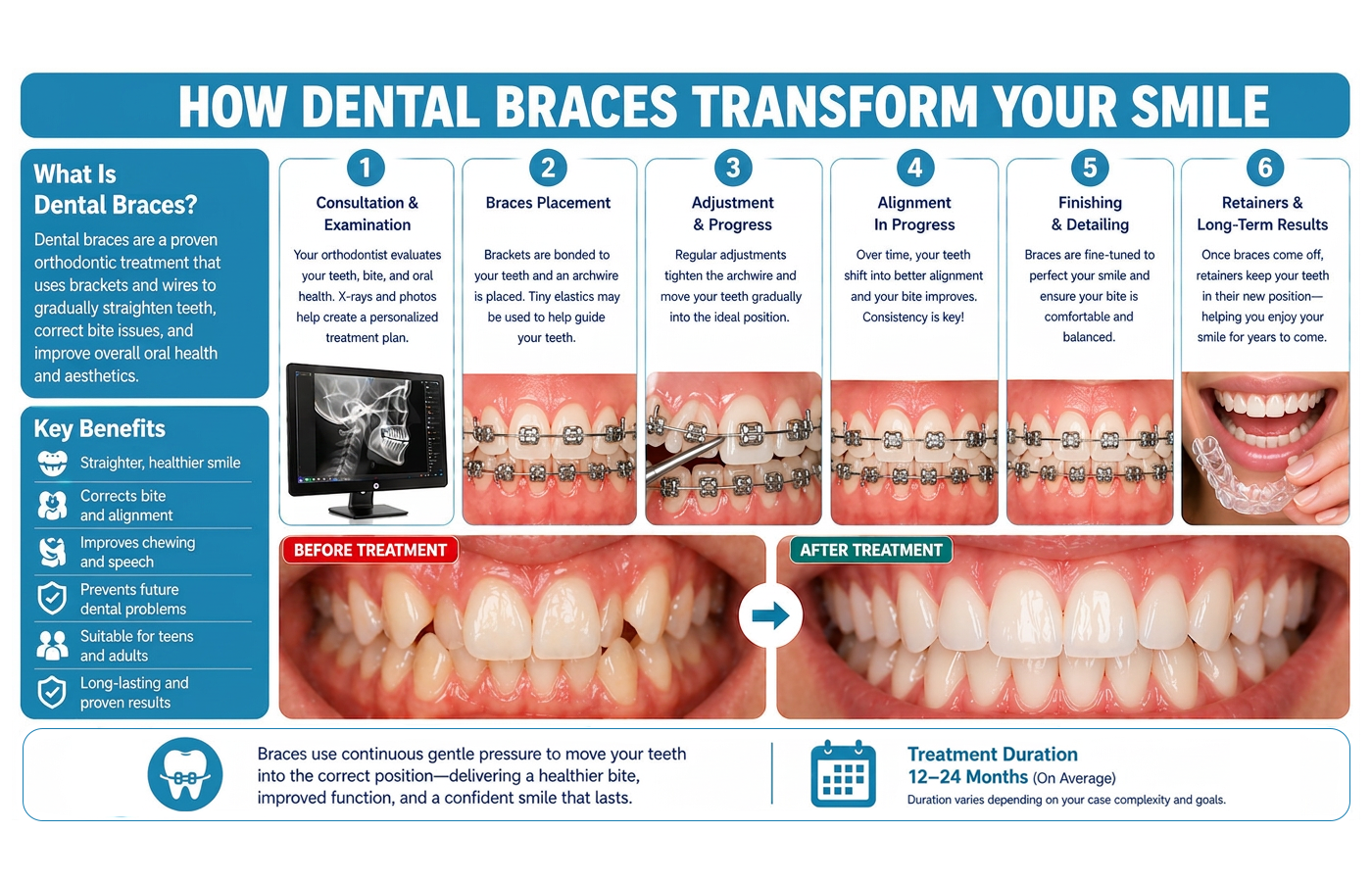
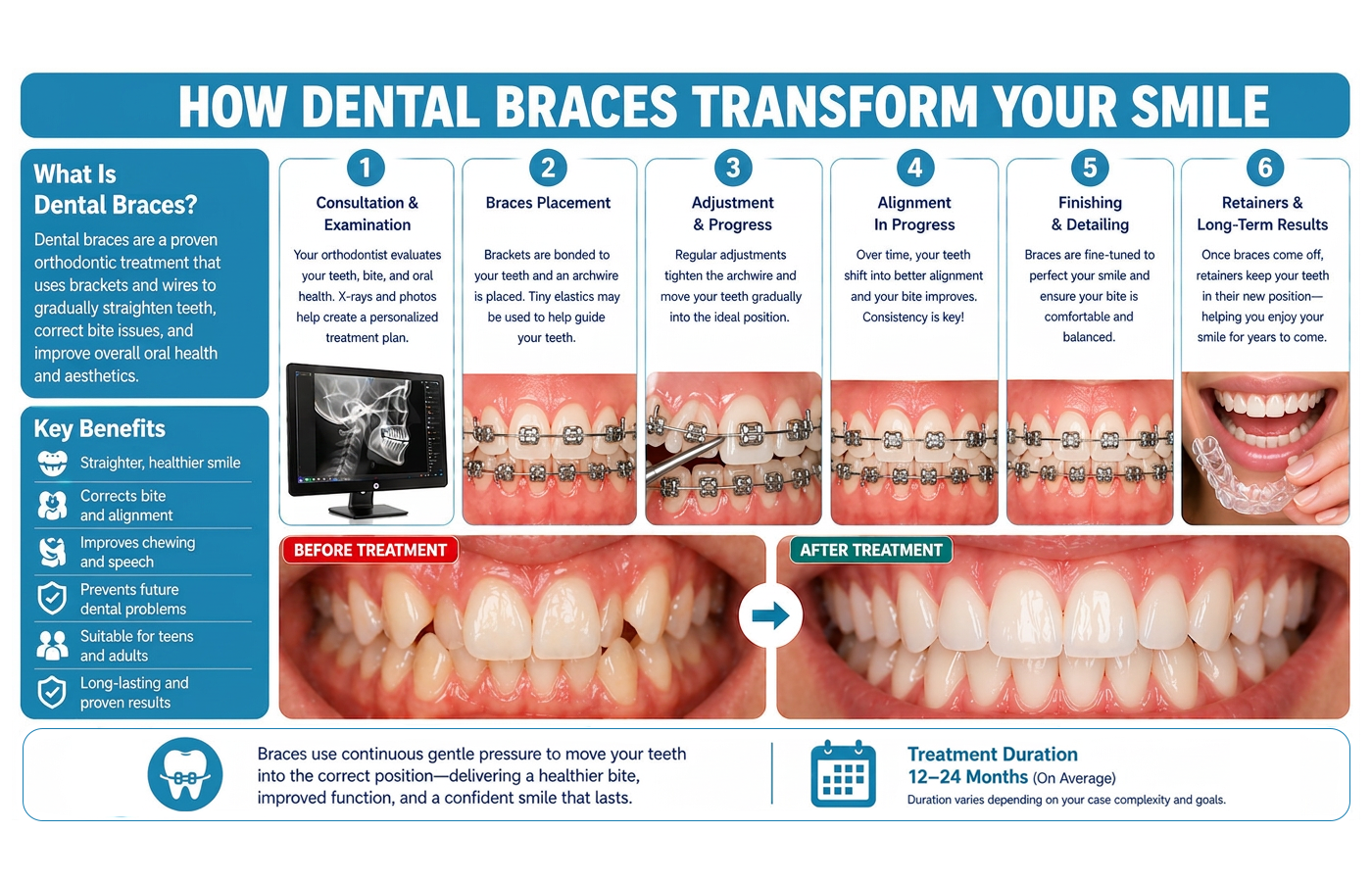
Dental braces in Turkey involve a planned and phased process. Teeth are moved into the correct position using controlled force. Each step is carefully applied, and the process progresses with regular check-ups. Here are the steps for dental braces:
First, the teeth and jaw structure are evaluated. X-rays and measurements are taken. A treatment plan is created.
Brackets are secured to the teeth using a special adhesive. They are placed in the appropriate position on each tooth. These brackets serve as the primary anchor points for moving the teeth.
The brackets are connected using orthodontic wires. These wires apply a gentle, continuous force to the teeth.
Once the wires are in place, the system becomes active. Tooth movement begins at this stage. The wires are adjusted or tightened at regular intervals. This enables gradual tooth movement. Elastics or supportive components are used as needed. When the teeth reach their intended position, the brackets are removed. After treatment, retainer use begins.
While wearing braces, certain changes to daily habits are necessary. Treatment success is directly related to adherence to the dentist’s recommendations:
This procedure is generally considered safe. However, certain risks may arise during treatment. These situations are mostly related to oral hygiene habits and patient compliance. Dental braces in Turkey progress more smoothly with regular follow-ups. Rare risks that may occur include:
Once treatment is complete, the teeth achieve a straighter and more aligned position. The bite is balanced, and the chewing function improves significantly. There is a noticeable change in aesthetic appearance. The teeth attain a healthier structure. Dental braces in Turkey provide both functional and aesthetic improvements.
In the initial period, the teeth need to adapt to their new position. Retainer use is crucial during this process. Teeth may naturally tend to shift back to their original position. Therefore, retainers must be worn regularly. Mild sensitivity or pressure may be felt in the first few days. Also, this subsides quickly. Daily oral hygiene must also be maintained carefully during this phase.
Maintaining the achieved results depends on consistent habits. Oral hygiene must be prioritized, and retainer use must not be neglected. This ensures the teeth remain stable, and the treatment results are preserved for many years.
Braces are a system of metal or ceramic brackets used to align teeth. By applying constant pressure, they move teeth in the desired direction within the bone.
It is suitable for individuals of all ages with misalignment, gaps, or bite issues. It is sufficient for the gums and supporting bone structure to be healthy.
Depending on the complexity of the case, treatment typically lasts between 12 and 24 months. In milder cases, this duration may be shorter.
Pressure and soreness may occur for a few days after placement and check-ups. This is a temporary condition. The oral tissues quickly adapt to the wires.
Hard foods that may break brackets and sticky foods like gum should be avoided. Additionally, acidic beverages can increase the risk of cavities.
In addition to standard brushing, interdental brushes and oral irrigators should be used. The spaces between the brackets must be cleaned immediately after meals.
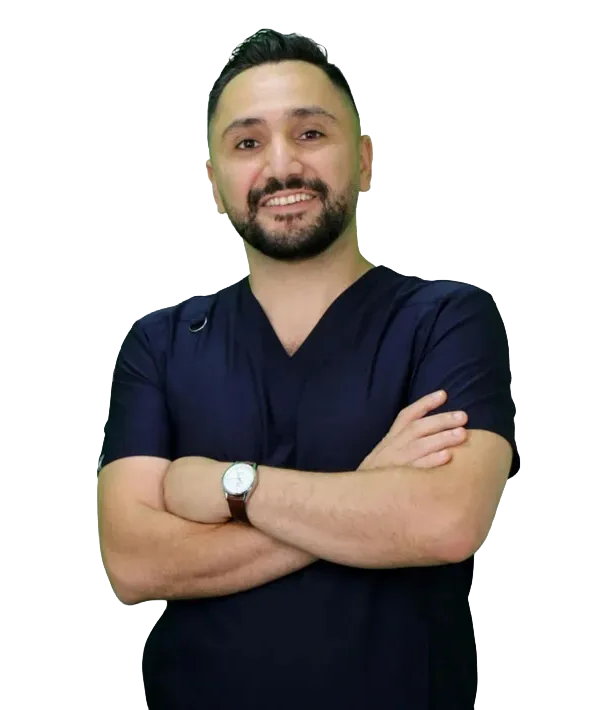
One of the partners of DİŞ 212, Dr. Dt. Abidin ACAR has been working as an orthodontist in DİŞ 212 family since 2011. Abidin ACAR, a member of the European Orthodontic Society (EOS), the Turkish Orthodontic Society (TOD) and the Turkish Dental Association (TDB), speaks advanced English and Arabic.
Medically reviewed by
Dr. Dt. Abidin Acar, PhD
Published
April 30, 2026
Last medically reviewed on
July 4, 2026
Orthodontist

We provide structured, patient-focused dental care across general, cosmetic, and specialist treatments.
EURO BANK ACCOUNT INFORMATION
NAME: AK 212 BAYRAMPAŞA DİŞ SAĞLIĞI HİZM.
IBAN: TR17 0006 2000 7360 0009 0780 69
SWIFT: TGBATRIS736


Last Update: July 4, 2026
Content Editor: Veysel Koyuncu, Email: kcveysel97@gmail.com
Telephone: +90 549 430 40 64
Copyright © 2026 All Rights Reserved. Digital Solutions by Digiduction

How can we help you?
Fill out the form below and our team will get back to you shortly.
Your request has been sent successfully.
Our team will contact you as soon as possible.